
A Warm Welcome Before We Begin
Hello and welcome.
I hope you are doing well and feeling motivated about improving your job applications.
If you are wondering how to start a resume, you are already thinking in the right direction. The beginning of a resume is extremely important. It sets the tone, creates the first impression, and decides whether the recruiter keeps reading or moves on.
Starting your resume correctly can increase your chances of getting shortlisted. Let’s break it down step by step in a simple and practical way.

Why the Start of a Resume Matters So Much
Recruiters spend only a few seconds scanning a resume. The top section is the first thing they see. If the beginning is unclear or weak, the rest of your resume may not even be read.
A strong start:
- Creates clarity
- Builds trust
- Shows direction
- Makes your resume ATS-friendly
The opening is your opportunity to guide the reader immediately.
Step 1: Begin With Clear Contact Information
When learning how to start a resume, the very first section should always be your contact details.
Include:
- Full name
- Phone number
- Professional email address
- City and country
- LinkedIn profile (optional but recommended)
Keep it simple and clean. Avoid unnecessary personal details like full home address or personal information.
Step 2: Add a Strong Professional Summary
Right after your contact details, include a short professional summary.
This summary should:
- Be 2 to 3 lines long
- Mention your role or field
- Highlight your strongest skills
This is not your life story. It is a quick introduction that tells the recruiter who you are.
Step 3: Make It ATS-Friendly from the Beginning
Most companies use Applicant Tracking Systems. If you want your resume to reach a real recruiter, the structure must be ATS-friendly.
When starting your resume:
- Use standard headings like “Professional Summary”
- Avoid graphics and tables
- Use clear fonts like Arial or Calibri
ATS systems scan the top section carefully. Make sure it is readable and keyword-aligned
Step 4: Align With the Job Description
Before finalizing the beginning of your resume, check the job description.
If the employer is looking for:
- A marketing specialist
- A sales executive
- A data analyst
Make sure your summary reflects that role clearly. Alignment improves both ATS ranking and recruiter interest.
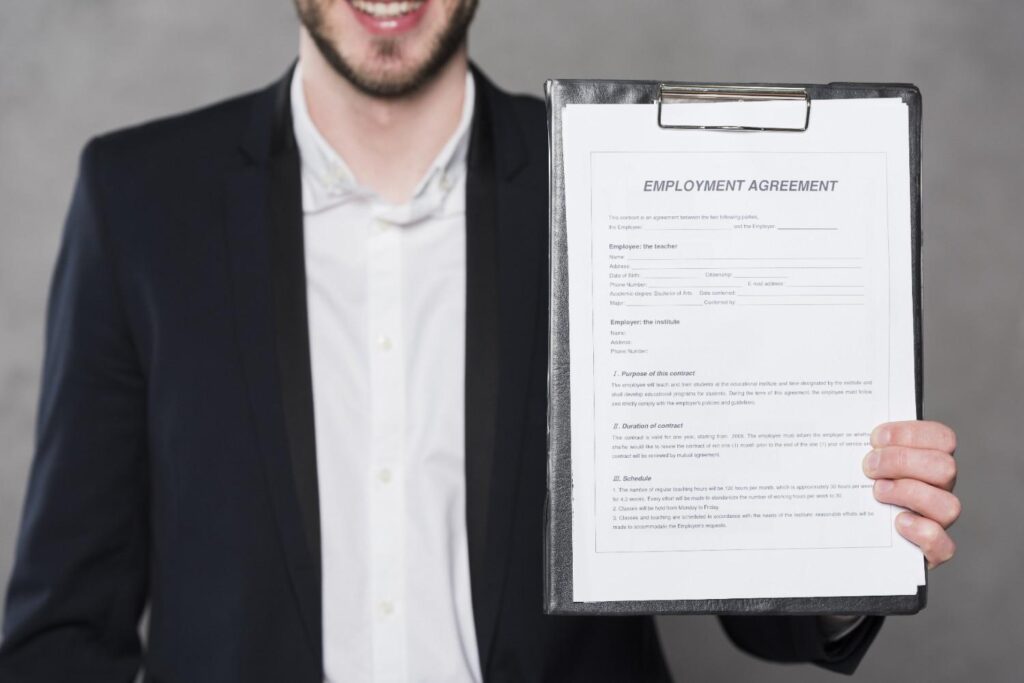
Step 5: Avoid Common Mistakes When Starting a Resume
Many resumes fail at the very beginning because:
- They start with an objective that sounds generic
- They include long paragraphs
- They lack focus
- They ignore keywords
A strong resume start is clear, confident, and relevant.
Resume Objective vs Resume Summary
If you are a fresher, you may use a short career objective. If you have experience, a professional summary works better.
Keep it realistic and focused on value, not just personal goals.
Psychological Impact of a Strong Resume Start
The beginning of your resume creates a feeling in the recruiter’s mind. A clean and structured start feels professional. A messy start feels careless.
Confidence begins at the top.
Learn and Improve Over Time
Understanding how to start a resume is only one step. Resume standards continue to evolve. Learning from reliable career resources can help you stay updated.
You can explore resume advice from trusted platforms like:

https://www.indeed.com/career-advice
Continuous improvement keeps you competitive.
Final Thoughts on How to Start a Resume
Starting your resume correctly is not about creativity. It is about clarity and direction.
When your resume begins with confidence and structure, everything that follows becomes stronger.
Take your time.
Review your opening carefully.
Make sure it represents you properly.
Your resume is your introduction.
Make sure it starts strong.