
A Friendly Start Before We Dive In
Hello and welcome.
I hope you are doing well and feeling confident about improving your resume.
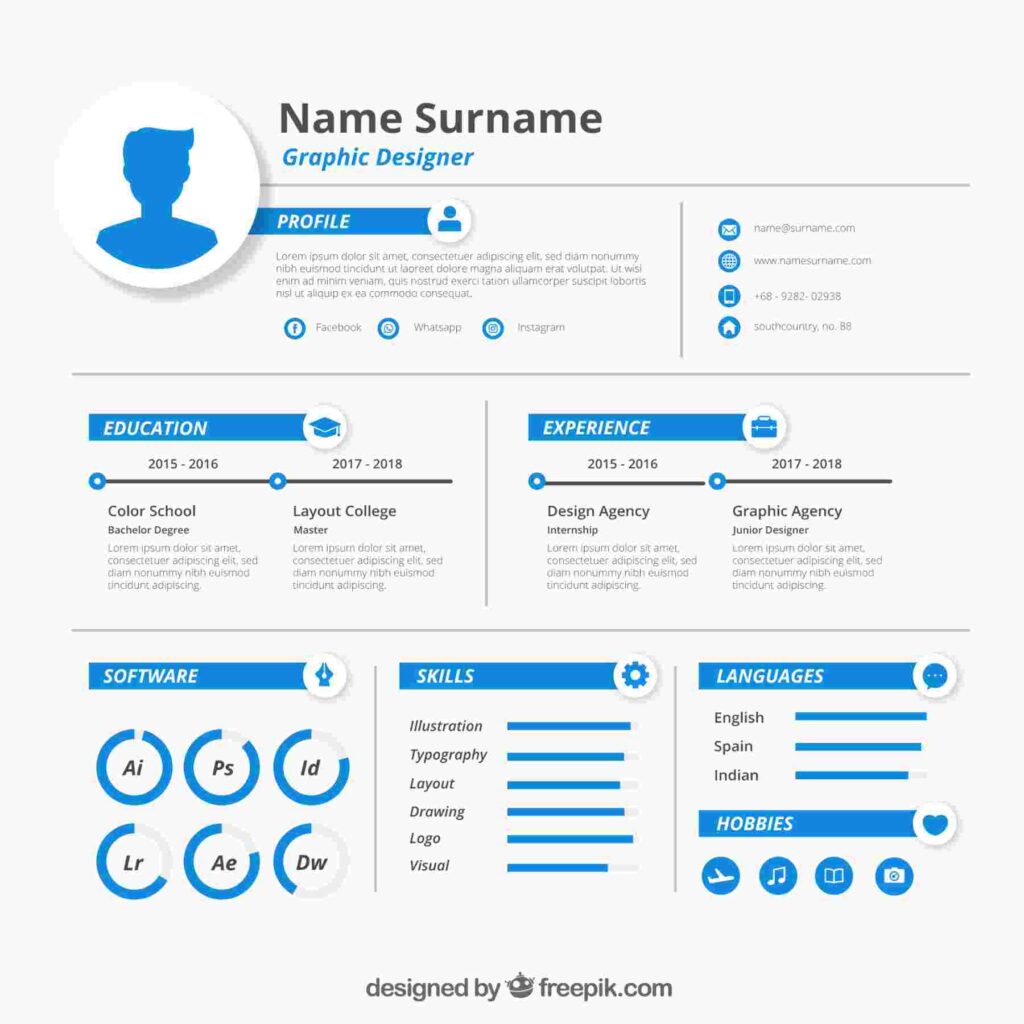
Many job seekers focus only on what to write in a resume, but very few understand where to write it. Resume sections are the backbone of your resume. If sections are unclear, misplaced, or poorly written, even strong content loses its impact.
In this article, we will walk through each resume section and explain how it should be written in a clear, professional, and ATS-friendly way.
Why Resume Sections Matter So Much
Resume sections guide the reader. Recruiters and ATS systems rely on section headings to understand your profile quickly.
Clear sections help:
- ATS systems parse your resume correctly
- Recruiters find information faster
- Your experience feel organized and professional
When sections are missing or confusing, your resume feels weak even if your experience is strong.
The ATS Perspective on Resume Sections
ATS systems are trained to look for standard section headings such as:
- Summary
- Skills
- Experience
- Education
If you rename or hide these sections creatively, ATS may fail to recognize them. That is why standard section names are always recommended.
ATS-friendly resumes use structure to their advantage.
Contact Information Section
This section should appear at the top of your resume and remain simple.
Include:
- Full name
- Phone number
- Professional email address
- City and country (optional)
- LinkedIn profile (optional)
Avoid adding unnecessary details like full addresses or personal information. Simplicity improves ATS readability.
Professional Summary Section
The professional summary is your introduction. It tells the recruiter who you are and what you bring to the role.
A strong summary:
- Is 2–3 lines long
- Mentions your role or career focus
- Highlights key strengths or experience
This section sets the tone for the rest of the resume and strongly influences first impressions.
Skills Section
The skills section is one of the most important areas for ATS optimization. Recruiters often search resumes using skill-based keywords.
Your skills section should:
- List relevant technical and soft skills
- Match keywords from the job description
- Avoid vague or outdated skills
This section should be clean, organized, and easy to scan.
Work Experience Section
This is the core of your resume. Recruiters spend most of their time here.
Each role should include:
- Job title
- Company name
- Employment dates
- Bullet points describing achievements
Focus on what you achieved, not just what you were responsible for. Clear bullet points improve both ATS parsing and recruiter interest.
Education Section
The education section should be short and clear.
Include:
- Degree name
- Institution name
- Graduation year
Freshers may place this section higher, while experienced professionals usually place it after experience.
Projects Section (Important for Freshers)
For freshers or career changers, projects act as experience.
Describe:
- Project goal
- Tools or skills used
- Outcome or learning
This section helps recruiters see your practical exposure and learning ability.
Certifications Section
Certifications add credibility when relevant.
Only include certifications that:
- Support your target role
- Are recent or still valid
Avoid overloading this section with unrelated courses.
Optional Sections (When Needed)
Depending on your background, you may include:
- Achievements
- Publications
- Volunteer work
These sections should only be added if they strengthen your profile.
Common Resume Section Mistakes
Many resumes fail because:
- Sections are out of order
- Headings are unclear
- Content is repeated
- ATS-friendly structure is ignored
Fixing section structure often improves results immediately.
Psychological Impact of Clear Sections
Clear sections make recruiters feel comfortable. When information flows naturally, the reader feels confident moving forward.
Confusing sections create doubt.
Clear sections create trust.
How Resume Sections Improve ATS Performance
Well-structured sections help ATS systems:
- Categorize experience correctly
- Match keywords accurately
- Rank resumes higher
Structure directly affects visibility.
Learn From Resume Rejections
If you are facing repeated rejections, your resume sections may be part of the problem. Learning how resumes are read and parsed can change your approach completely.
Reading resume-focused blogs helps you understand what employers actually want.
Final Thoughts on Resume Sections
Your resume sections tell your story step by step. When they are written clearly and placed correctly, your resume becomes easier to read, easier to scan, and easier to trust.
A strong resume is not just about words.
It is about structure, clarity, and direction.